You bond the principal's project.
The evidence it is moving cannot be their word.
In surety, the insurer has a duty to monitor the execution of the contract it bonded. Today progress arrives in the principal's own report, loose photos and email, and by the time delay becomes default the claim has already hit. uInspect runs execution inspection through a single track, from request to audited report, with photos geotagged at the source and every contract milestone attested by someone you send.
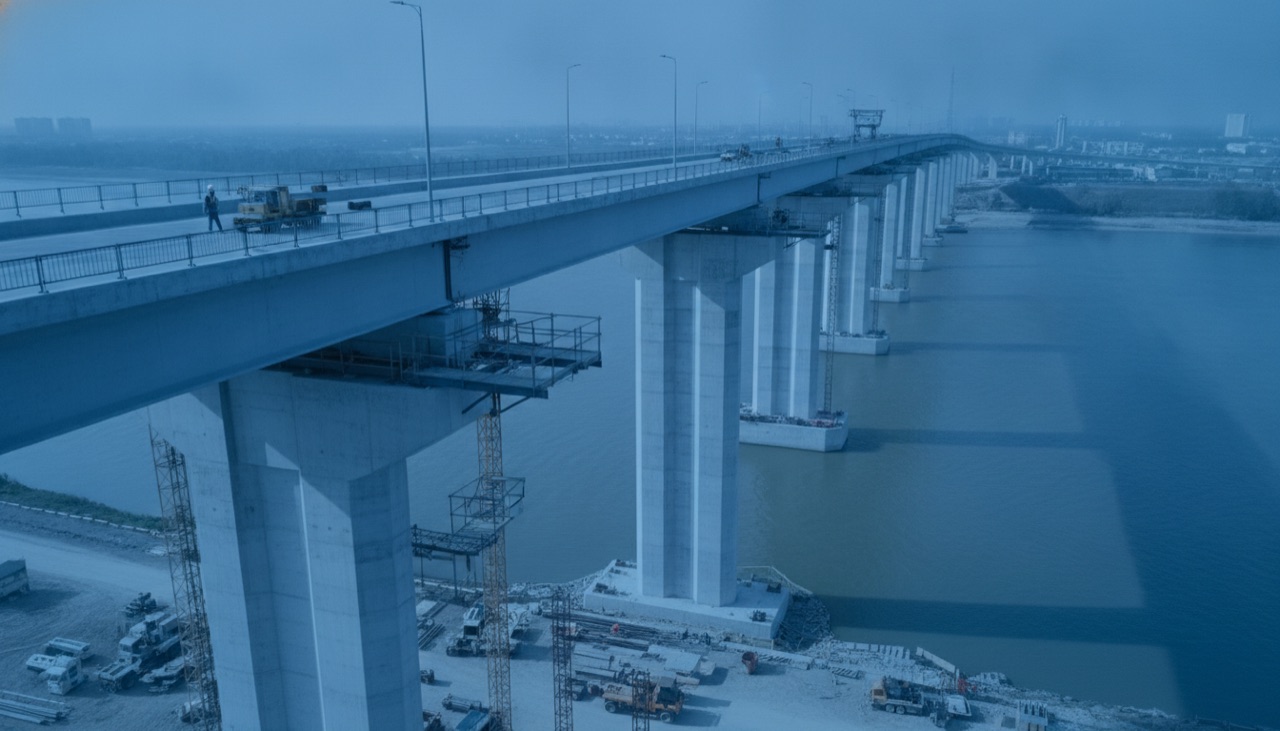
The risk you bonded runs far from your sight.
Project progress arrives in the principal's own report, and the principal has every interest in looking ahead of schedule.
Field inspection turns into WhatsApp photos and loose PDFs, with no guarantee of where the image came from, which work front, on what day.
Every monitoring engineer records things their own way, and without a single checklist per contract type one report cannot be compared with another.
When the default claim is triggered, the defense is a pile of photos with no origin and the memory of whoever visited.
When another contractor takes over the works, the lack of an auditable baseline turns into a dispute over what was already done when the principal left.
From execution to report, everything runs through uInspect
The insurer opens the inspection with the contract checklist and the milestone schedule. The engineer attests each milestone on site, with photos at the source, and the report backs the defense when the claim is triggered.
From request to auditable report.
- 1 The inspection comes in standardized through the dashboard, by email or by API, with the checklist for that contract type and the milestone schedule attached, and the in-house or contracted engineer receives the same model.
- 2 The inspection happens on site with evidence at the source: an offline app, capture in the native camera with GPS, date and time recorded on the image, and the provenance of every file logged, including media from the gallery.
- 3 The milestone is attested at the right spot, with a sketch over the site plan in GeoJSON and KML, and the percentage complete gains a dated, geotagged photo behind it, not a number in the principal's report.
- 4 Monitoring becomes a cycle: each milestone enters the process engine with an owner, a deadline and automation, and the reinspection of the next milestone closes in the same case file, with an auditable history of real progress.
The capabilities that turn the inspection into evidence.
The same horizontal platform, with the features this industry actually uses. Everything inside the inspection, not in spreadsheets and scattered chats.
Evidence of progress born at capture: every photo leaves the app with GPS, date and time on the image and the origin of every file logged, so nothing enters the report without provenance
The percentage complete stops being a number in the principal's report and gains geotagged media at the exact milestone spot behind it
The milestone cycle moves stage by stage in the process engine, with owners, deadlines and automation, and each reinspection closes in the same case file instead of piling up in email
A single checklist per contract type, with conditional logic and signature, makes the portfolio comparable: every engineer records the same way, in-house or contracted
Offline field work with a sketch over the site plan in GeoJSON and KML keeps monitoring running where the works are, not where the signal reaches
API and webhooks fit the inspection into your underwriting and claims systems, without becoming yet another silo, and bureau checks on individuals and companies qualify the principal's records
Concrete use cases in this industry.
Milestone monitoring on bonded public works contracts, with the percentage complete attested by someone the insurer sends
Execution inspection on private construction and supply contracts, with a dedicated checklist per contract type
Reinspection of the next milestone in the schedule, on-site or remote by video, closing in the same auditable case file
An auditable baseline when another contractor takes over the works, so it does not turn into a dispute over what was already done
Qualification of the principal's records through bureau checks on individuals and companies, alongside the execution inspection
The duty to monitor execution of the bonded contract
A surety insurer has a duty to monitor the execution of the contract it bonded. Without evidence of real progress, it only discovers the delay when the default claim has already hit.
The inspection that holds up, side by side with today's.
- Progress on the principal's word
- WhatsApp photos and loose PDFs with no origin
- Reports that cannot be compared across engineers
- Claim discovered late, fragile defense
- Milestones attested by someone the insurer sends
- Photos dated and geotagged at the exact spot
- A single checklist that makes the portfolio comparable
- Real progress on every contract visible in one dashboard
Evidence is born trustworthy at capture, and the buyer controls what it releases.
Every photo leaves capture with its provenance, GPS, date and time, and the inspection carries the questionnaire and the chain of custody of the media all the way to the report. With document bureau checks (individuals and companies), anti-fraud stops being a talking point: it is provenance plus a verified document. More than 100,000 inspections on record, and more than 15,000 per crop season, all to the same standard. The report stops being a loose sheet and becomes evidence that holds up when disputed, and the payer controls what it releases.
uInspect does not replace the underwriting or claims system. It is the auditable inspection layer that plugs into what the insurer already uses via API, and delivers the evidence of execution that the principal's report does not.
Questions from teams operating in surety bonds and guarantees.
Why does the insurer need its own inspection if the principal already sends reports?
Because the principal has every interest in looking ahead of schedule. Monitoring execution is the insurer's duty, and the evidence has to come from someone the insurer sends, with media dated and geotagged at the right milestone, not from the report of the party it bonded.
Does the report back the claim?
It backs the insurer's defense in the claim. When the principal disputes what was executed, the report holds up because progress was attested with evidence of presence at the source, not with the report of an interested party. The report is evidence, not the decision to pay or deny.
How does uInspect ensure the photo is from the right site, on the right day?
Capture opens in the native camera with GPS, date and time recorded on the image, and the origin of every file is logged, including when it comes from the gallery. Every photo, video and audio note carries its own provenance from capture to report, so nothing enters the case file without a trail.
Can it integrate with the underwriting and claims systems?
Yes. Via API and webhooks you open inspections and receive the report, the files and the answers in your own system. uInspect is the auditable inspection layer that fits into what the insurer already uses, without becoming yet another silo.
How does uInspect help with continuous monitoring, not just one-off visits?
Each milestone in the schedule enters the process engine, with an owner, a deadline and per-stage automation. The reinspection of the next milestone closes in the same case file, with an auditable history of who did what and when, so the duty to monitor execution becomes a traceable workflow.
Can the principal record a milestone on their own?
For low-complexity routine monitoring, yes: through Self-Inspection, guided and under your brand, always with controlled capture and the provenance of the media logged. But in an adversarial sector it only complements the routine. A milestone that has to be defended in a claim is still attested by the engineer the insurer sends, not by the principal.
What if the site has no signal?
The app is offline-first. The engineer captures, answers the checklist, marks the milestone as executed and draws the sketch over the site plan with no network, and everything syncs on reconnection. The inspection happens where the principal's works are, not where the signal reaches.
The same evidence, in any inspection mode.
This industry starts with the mode that makes the most sense, but the platform is one. Explore the three modes, or see the other industry solutions.
Put evidence at the center of your surety bonds and guarantees operation.
Talk to the team and see uInspect running on your use case.